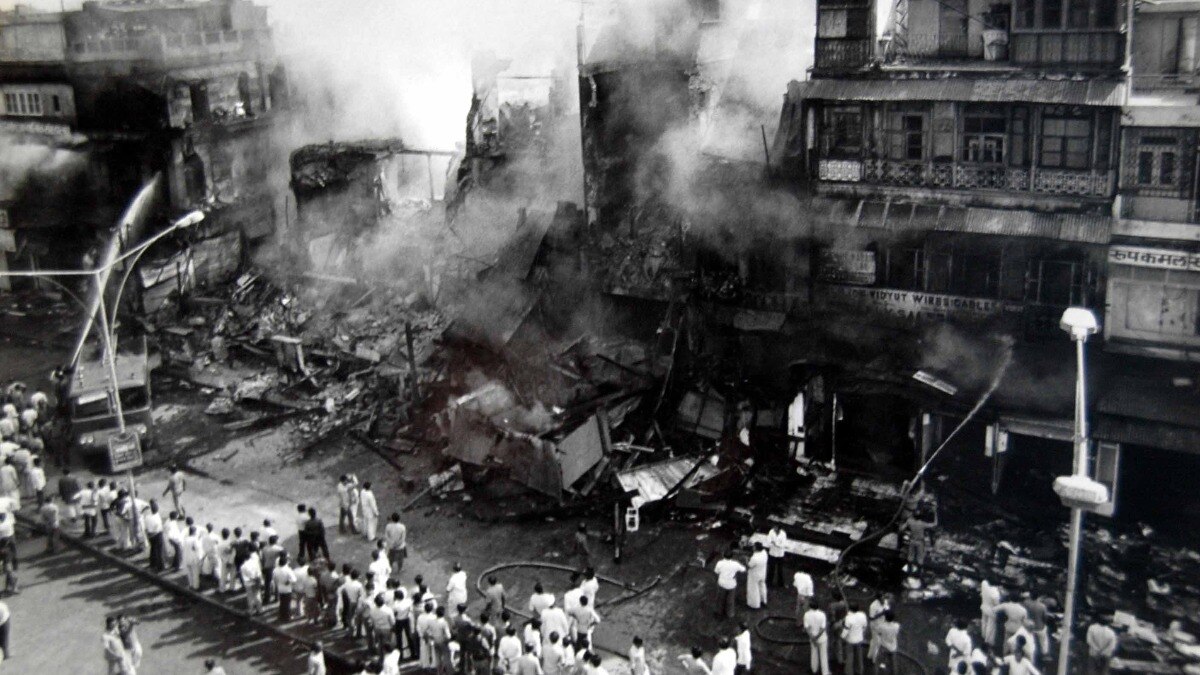
Congress leader Sonia Gandhi's memoir, "Belonging," has rekindled a debate regarding the army's response to the 1984 anti-Sikh pogrom following Indira Gandhi's assassination. In her book, published on November 10th, Gandhi claims that the Army was ordered to be deployed on October 31st, 1984, but the delay occurred due to the military brass. This contradicts the account given by Army Chief General AS Vaidya in his submission to the Justice Ranganath Misra Commission, which stated that soldiers were deployed but not utilized. The commission found that had around 5,000 soldiers present in Delhi been pressed into service, approximately 2,000 Sikh lives could have been saved. Some, including Senior Advocate HS Phoolka and columnist Tavleen Singh, have questioned Gandhi's version of the timeline, with Phoolka deeming her claims as "absolutely false."
In her memoir, Sonia Gandhi explains that General Vaidya decided not to mobilize nearby units due to concerns about exacerbating the situation given that they were manned by Sikh soldiers. Following Operation Blue Star, there had been sporadic mutinies involving Sikh soldiers in various locations. According to Gandhi, it took some time for units further away, in Dehradun, to move to Delhi and be positioned in affected areas by November 2nd, 1984. By this time, organized attacks on Sikh-majority neighborhoods had already started on November 1st, 1984, with curfew declared and shoot-at-sight orders issued later that day.
It is important to note that General Vaidya's remarks were captured in the Misra Commission report, not the Nanavati Commission report. General Vaidya was assassinated by Khalistanis on August 10th, 1986, before he could see the final report. The Misra Commission report was submitted in August 1986 but tabled in Parliament only in February 1987.