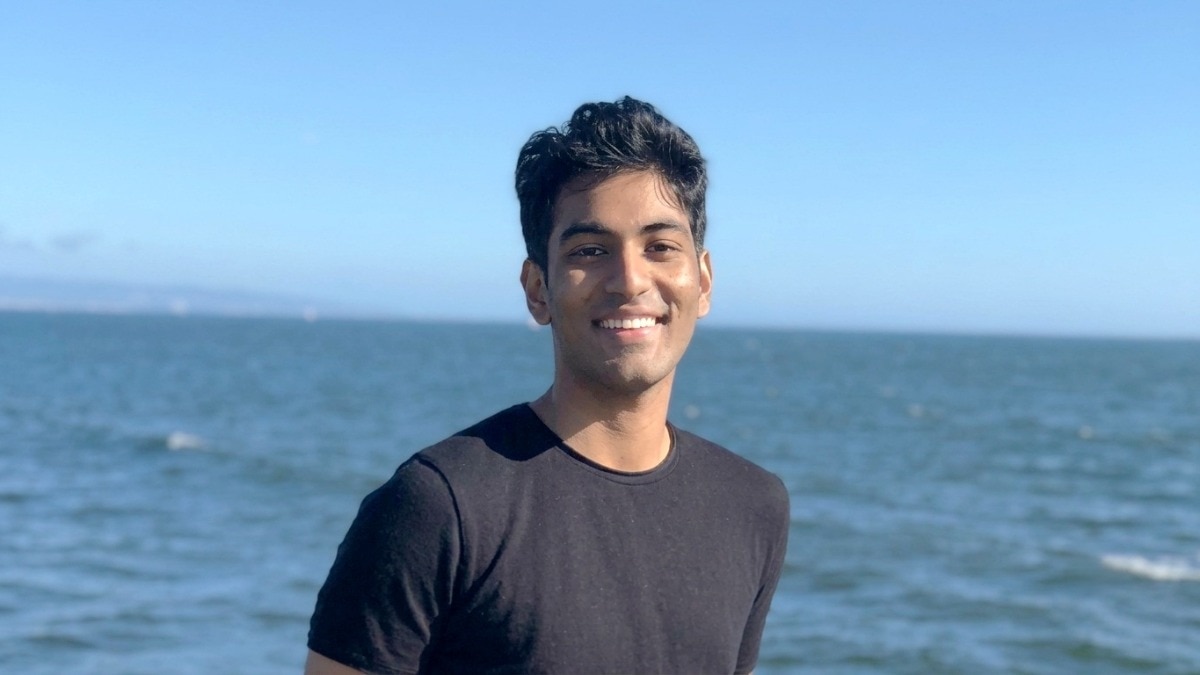
Apurva Shrivastava and Tyson Chen, two MIT graduates, have built Avoca, an AI startup now valued at $1 billion (around Rs 8,300 crore). Growing up, they both had personal experiences of missed calls affecting their parents' small businesses. Shrivastava studied computer science at MIT and worked for tech giants like Apple and Sunshine before founding Avoca in 2023. Chen, on the other hand, grew up helping his mother manage calls for her acupuncture business in Pennsylvania. Meeting at an MIT poker night, they decided to build a solution for a problem they had both witnessed at home.
Initially, they aimed to create an AI answering service for restaurants. However, a chance encounter at a restaurant industry conference in Texas led them to focus on home services instead. They realized that the stakes were much higher in this sector - a missed call could mean losing a potential installation job worth $30,000 to $40,000. In 2023, they spent three months building a product specifically for Rescue Air, a Dallas-based heating and air-conditioning company, which helped them find their first customers.
Avoca's AI voice agents now answer customer calls, schedule appointments, follow up on pending estimates, and help manage dispatch for businesses in plumbing, roofing, electrical work, and heating and air conditioning. The system can connect with business scheduling tools, enabling enquiries to move towards actual bookings rather than ending with a voicemail. In April 2026, Avoca announced it had raised over $125 million across three funding rounds, reaching a valuation of $1 billion. Key investors include Kleiner Perkins, Meritech, General Catalyst, Amplify Partners, and Y Combinator. Fortune reported that the company had crossed 800 customers.
Shrivastava sees a significant business opportunity in an industry often overlooked by technology companies - home service providers who repair homes, fix electrical problems, and maintain air-conditioning systems. He believes that AI's next big market may not be another office desk but the businesses that keep everyday life moving. According to Fortune, Shrivastava and Chen aim to use AI to automate routine tasks for these businesses, freeing up time for them to focus on their core services.