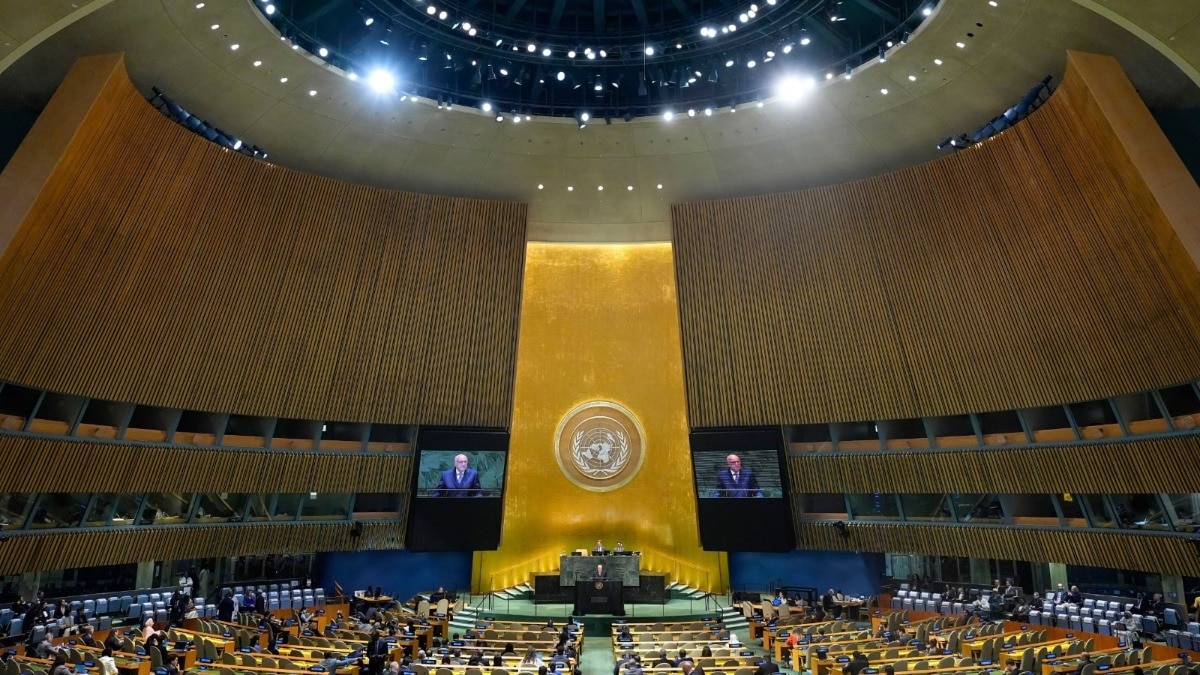
India has voiced strong objections to Turkey's decision to exclude New Delhi and several other United Nations member states from consultations on a resolution concerning cooperation between the UN and the Organisation of Islamic Cooperation (OIC). The controversial resolution, which was adopted by the UN General Assembly on Monday, sought to expand the OIC’s role in finding solutions to other conflicts. India's Deputy Permanent Representative to the UN, Ambassador Yojna Patel, accused Turkey, the facilitator of the negotiations, of intentionally excluding the Indian delegation and several other countries during the circulation of successive drafts of the resolution. Patel expressed deep dismay over this lack of inclusivity and called for an investigation into the process, stating that it was "unfortunate that there are member states who publicly profess commitment to multilateralism and completely turn a blind eye to its core guiding principles." India also questioned the substance of the resolution, expressing concern over its reference to the ninth session of the OIC Ministerial Conference on Women, held in Islamabad in July. The declaration adopted at the conference referred to Jammu and Kashmir, a matter that India rejects. In an apparent reference to Pakistan, India accused the OIC of being systematically misused by one member state to weaponise resolutions and declarations against it through false and baseless allegations. Cyprus and Greece have also expressed regret over Turkey's lack of transparency and inclusivity throughout the negotiation process.
SUMMARY (CONTINUED):
India, Armenia, Cyprus, Greece, Israel, and the US voted against the draft resolution, which was adopted with 112 votes in favor, six against, and 39 abstentions. Iraq introduced the resolution, while Turkey served as its facilitator. India's Ambassador Patel criticised the working methods adopted by the facilitator and called for an investigation into the process, stating that basic procedures were "blatantly disregarded, indicating that it was done by design rather than by mistake." She added that even after some delegations raised objections in later rounds, the facilitators did not include certain countries. The UN General Assembly president has been called upon to investigate this exclusion and prevent its recurrence. India believes that sovereign member states take care of the interests of their citizens, regardless of their faith, and does not recognize that only co-religionists can protect the interests of adherents of their faith.
SUMMARY (CONTINUED):
This incident highlights a growing trend of exclusion and lack of transparency in global diplomacy. It raises questions about the UN's commitment to inclusive negotiations and its ability to uphold its core principles, such as sovereign equality and multilateral cooperation. India's strong objections and calls for an investigation underscore the importance of these principles in maintaining a balanced and fair international order. This incident also serves as a reminder that multilateralism requires not only the commitment of participating states but also the adherence to established procedures and principles.