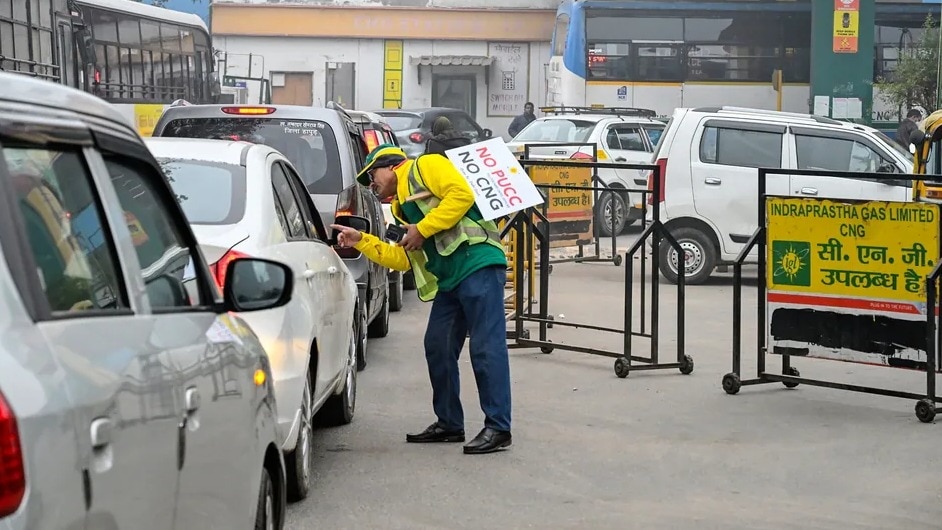
The Ministry of Road Transport and Highways (MoRTH) has issued new rules regarding the validity periods of Pollution Under Control (PUC) certificates for vehicles in India. Under these revised guidelines, BS-VI compliant private cars up to six years old will now require a PUC certificate renewal once every three years, while those aged more than six years but up to 10 years will need annual renewal. Vehicles older than 10 years must renew their certificates every six months. The new rules came into effect on November 13 and apply nationwide, separate from the Delhi government's winter pollution-control measures.
The Centre's amended PUC norms also extend the validity period for BS-VI compliant transport vehicles. Those up to six years old will require renewal once every two years, while vehicles aged more than six years but up to 10 years will need annual renewal. Transport vehicles older than 10 years will continue to require renewal every six months. The changes were notified through the Central Motor Vehicles (Sixteenth Amendment) Rules, 2026, under the Motor Vehicles Act, 1988.
The revised rules also clarify when renewed certificates will become effective. If renewal is sought within the 10 days preceding the expiry of an existing certificate, the renewed certificate will take effect from the date of expiry of the previous one. In all other cases where renewal is sought after the certificate has expired, the new certificate will take effect from the date of renewal. For certificates issued before the amended rules came into force, the revised validity schedule will apply only when they are first renewed after the new rules take effect.
These changes come amidst the Delhi government's broader efforts to tackle vehicular emissions under its annual Winter Action Plan. The crackdown has already seen enforcement agencies issuing challans to 25,610 vehicles for not having valid PUC certificates between November 1 and 17. Authorities also inspected 1,81,548 non-Delhi vehicles below BS-VI standards, excluding CNG and electric vehicles, at the city's borders. Of these, 30,742 were turned back, 2,817 were challaned, and 189 were seized. The offending vehicles were collectively fined Rs 5.42 crore.
(With inputs from PTI)