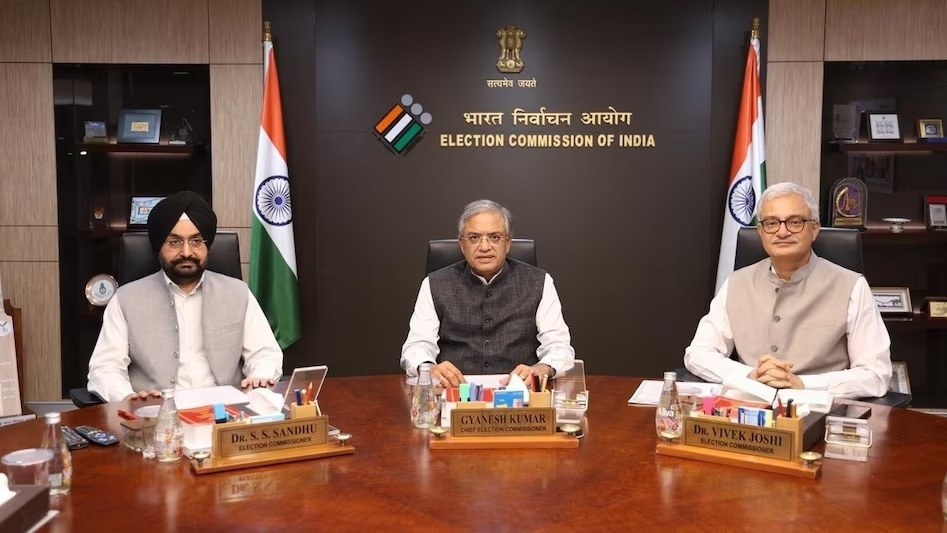
A group of opposition parties have filed a petition with the Supreme Court, requesting permission to question the Election Commission of India (ECI) regarding its Special Intensive Revision (SIR) of electoral rolls. The petition alleges that the ECI has made unsubstantiated assertions instead of providing relevant facts and supporting documents during court proceedings.
The opposition parties argue that their interrogation is necessary to obtain detailed, official answers on various aspects of the SIR exercise. They maintain that the information and documents they seek are exclusively available with the ECI, and their questions aim to verify the poll body's own claims rather than initiate a fishing enquiry.
The petition contains 48 questions directed at the Chief Election Commissioner, Gyanesh Kumar, along with other commissioners and officials. Key questions concern the decision-making process behind the nationwide SIR, including the approval process, differences among ECI members, and the timing and methodology of the decision.
The opposition parties also seek details about access to electoral roll databases, audit trails of voter additions and deletions, changes to Form 6, appeals against judicial officers' orders in West Bengal, and the number of voters excluded during the revision. The petitioners have also requested records of decisions and approvals, including those obtained through electronic communications.
Regarding alleged differences within the ECI, the petition asks about occasions when commission members objected, dissented, or expressed reservations concerning SIR-related matters. The petition also queries whether any SIR decisions were taken by majority under Section 18(2) of the 2023 Act and, if so, provides details of such decisions and the dissenting member.
The opposition parties argue that as a constitutional authority responsible for the supervision of electoral roll preparation, the ECI should welcome the opportunity to present factual information before the court. The petition raises questions about access to the electoral roll database and the auditability of changes made to voter records, seeking details of authorized officials and entities, including private vendors or contractors with privileged access.
The interrogatories also seek explanations on the online Form 6 process, including the introduction of a declaration and the number of applications rejected or kept pending due to non-submission of the declaration or mapping details. In West Bengal, the petitioners have sought details of appeals filed against orders of inclusion passed by judicial officers.