In a bold move towards automating urban life, China is integrating artificial intelligence, robotics, and electric vehicles to revolutionize travel and everyday services. This transformation is evident in cities like Shenzhen and Guangzhou, where robot-operated ice cream counters and pilotless electric aircraft are becoming common sights. The demonstration of an automated ice cream outlet showcases how companies in China are experimenting with robotics to automate routine services in restaurants and public spaces. Visitors from across the globe have flocked to see these technological advancements in action.
China's ambitions extend beyond ground transportation, as shown by electric vertical take-off and landing (eVTOL) aircraft being presented as a potential future mode of urban and regional transport in Guangzhou. A four-seater electric helicopter prototype, designed to operate without an onboard pilot, has attracted attention with its claimed range of 200 km and altitude capability of up to 500 meters. Another pilotless electric air taxi model, which can be boarded directly by passengers, has already received commercial interest, reportedly with over 200 orders.
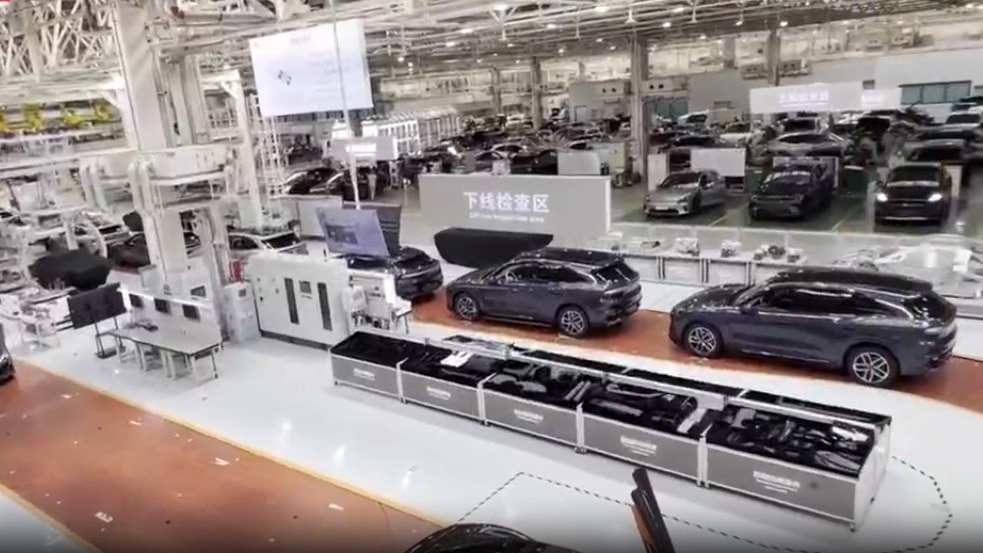
China's push towards electric mobility is also evident in its automobile manufacturing industry. At AION manufacturing facilities, the scale of production and factory automation offer a glimpse into the country's ambitious plans for electric vehicles. The facility claims to manufacture 800 cars a day, with automation accounting for around 25 percent of the production process. The assembly line can also produce four different vehicle models, enabling the factory to switch between models without separate production lines.
Beyond transportation, China is leveraging robotics and artificial intelligence to convey its broader technological ambitions. Shenzhen, home to major companies like Tencent and DJI, has emerged as a significant startup and technology center, increasingly being positioned as a hub for AI, robotics, and emerging industries. The growing use of robots in restaurants, manufacturing, and other services raises questions about the future of employment, as automation could replace some jobs but potentially create demand for new skills and specialized roles. China's approach combines electric mobility, robotics, and artificial intelligence, with applications ranging from automated consumer services to passenger aircraft.