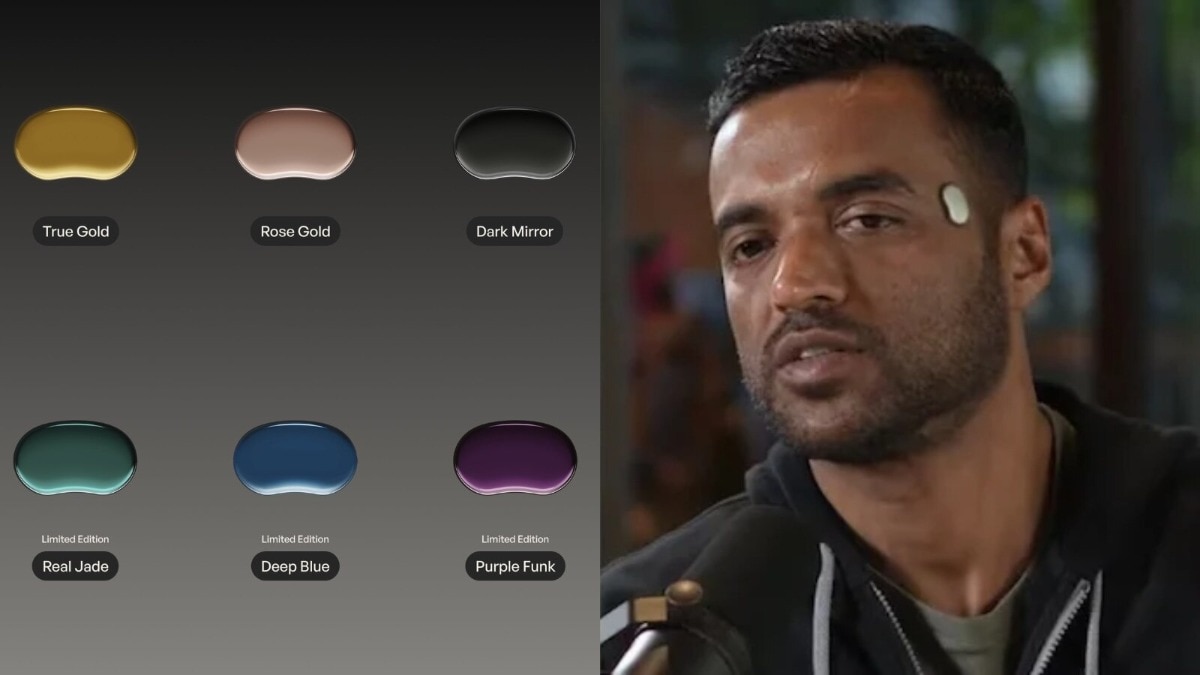
Deepinder Goyal, the founder of Zomato, has announced that his latest venture, the wearable device Temple, has sold out its first batch before shipping, necessitating waitlist registrations on the company's website. Scheduled for delivery in early 2027, the device promises to track various health metrics such as heart rate, sleep, HRV, and VO2 max, with a unique selling point being its ability to measure cerebral blood flow (CBF) through its positioning over the superficial temporal artery. However, the device has been met with skepticism from some quarters, including hepatologist Dr Cyriac Abby Philips, popularly known as The Liver Doc on X, who questions the scientific evidence supporting these claims and accuses the project of making unsupported assertions. Goyal defends his product, attributing the idea to his research into his mother's Parkinson's disease and emphasizing its fitness and AI features, such as Roomdeaf Audio technology that picks up voice commands without a microphone. The controversy surrounding Temple underscores the need for transparency and rigorous scientific scrutiny in the development and marketing of innovative health technologies.
---
Temple, the wearable device founded by Deepinder Goyal, has reportedly sold out its first batch ahead of its planned 2027 release. The company's website now accepts waitlist registrations instead of new orders due to the sell-out. According to sources, Temple promises to track various health metrics, including heart rate, sleep, HRV, and VO2 max, with a unique selling point being its ability to measure cerebral blood flow (CBF) through its positioning over the superficial temporal artery. However, this claim has been met with controversy, with hepatologist Dr Cyriac Abby Philips questioning the scientific evidence supporting these claims and accusing the project of making unsupported assertions. Goyal defends his product, attributing the idea to his research into his mother's Parkinson's disease and emphasizing its fitness and AI features, such as Roomdeaf Audio technology that picks up voice commands without a microphone.
---
The controversy surrounding Deepinder Goyal's Temple wearable device stems from skepticism over its scientific claims, particularly the proposed ability to monitor blood flow to the brain. The device has been met with criticism from hepatologist Dr Cyriac Abby Philips, who questions whether a sensor positioned over the superficial temporal artery can provide measurements of blood flow inside the brain. Additionally, Philips points out that Goyal had earlier indicated that the scientific findings would be shared within 24 hours, but 13 days have passed since that assurance without any public disclosure. Goyal defends his product, attributing the idea to his research into his mother's Parkinson's disease and emphasizing its fitness and AI features, such as Roomdeaf Audio technology that picks up voice commands without a microphone.
---
Deepinder Goyal has revealed that his mother played a crucial role in the discovery of the Temple wearable device. The device first attracted attention due to Goyal's claims about measuring cerebral blood flow (CBF), or the movement of blood through the brain. According to Goyal, the initial idea came from his interest in measuring CBF while researching his mother's Parkinson's disease. He put together a small team to build an instrument that did exactly that, emphasizing that it wasn't supposed to become a wearable company. Goyal says close to $30 million has been spent developing Temple, including $20 million of his own money. The controversy surrounding the device underscores the need for transparency and rigorous scientific scrutiny in the development and marketing of innovative health technologies.