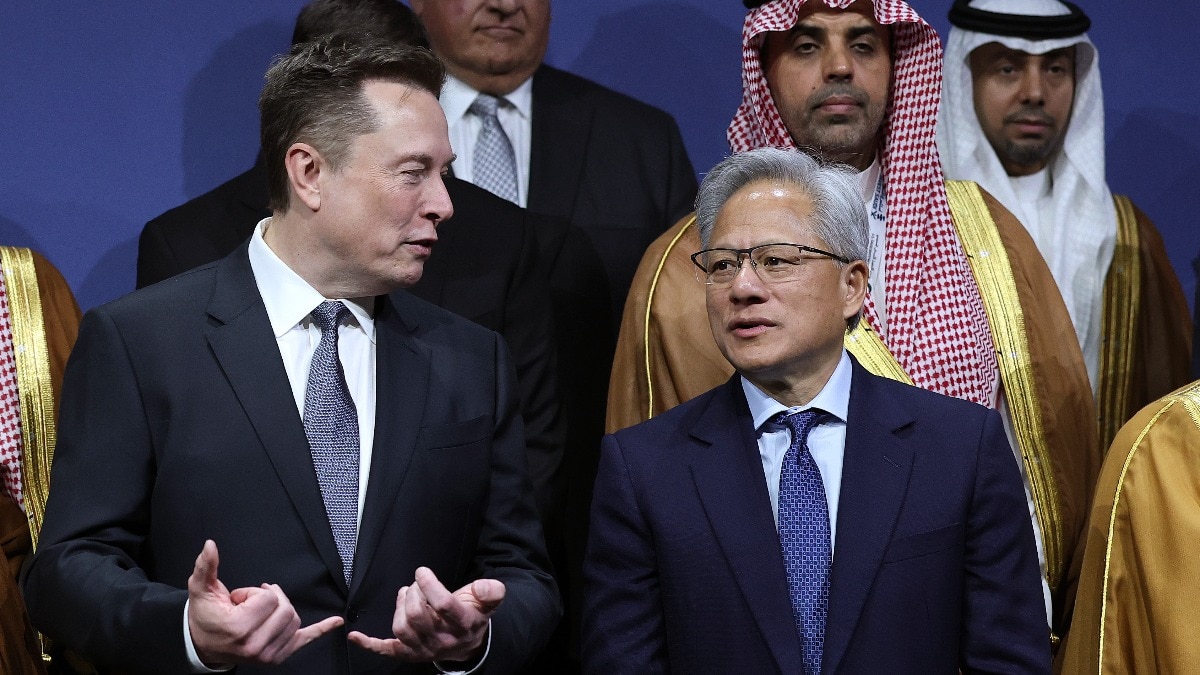
In a statement at The New York Times DealBook Summit on Wednesday, tech mogul Elon Musk expressed his support for former Nvidia CEO Jensen Huang, likening his departure from the chipmaker to kicking basketball legend Michael Jordan off a winning team. Musk questioned Nvidia's decision to part ways with Huang following reports of his alleged affairs with a Chinese businesswoman suspected of having links to Chinese intelligence and two company employees. He argued that Nvidia was losing a leader whose contribution went far beyond running its business, stating that "there's no one that can really replace Jensen." Musk highlighted Huang's deep technical expertise, long-standing relationships with key suppliers, and significant influence within Nvidia, as well as the loyalty he commands among employees. Despite acknowledging Huang's mistakes, Musk questioned whether they justified his exit, stating that the company needed to weigh Huang's contributions against his mistakes.
Despite calls from Musk and other prominent figures in the technology industry for Huang's return, Nvidia's board has ruled out any possibility of reinstating him as CEO. The company is moving ahead with its leadership transition, with Chief Financial Officer Colette Kress overseeing operations as the board considers its next steps. Jensen Huang co-founded Nvidia in 1993 and led the company for more than three decades, turning it into one of the world's most influential technology companies. His exit has sparked a wider debate over Nvidia's leadership and the circumstances surrounding the departure of a CEO who played a pivotal role in building the company into an AI powerhouse.
Musk's public show of support for Huang is not new, as he previously came to his defense on social media and expressed interest in hiring him. The two tech billionaires share a longstanding friendship, which Musk has made little effort to hide through his repeated public expressions of support for Huang. However, Nvidia's board appears firm on its decision to accept Huang's resignation, raising questions about the future leadership of the influential technology company.