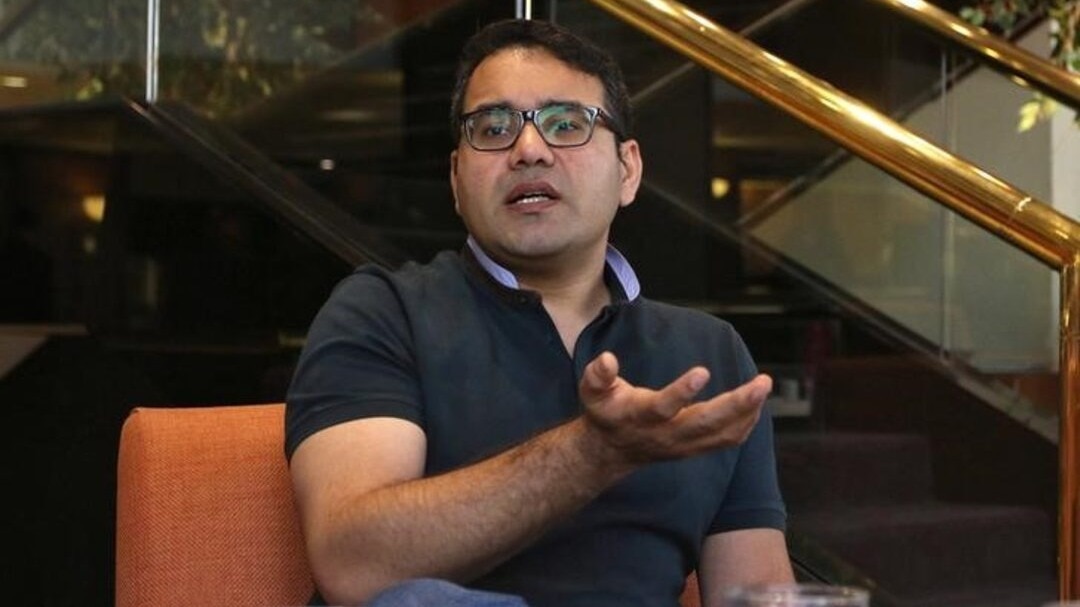
In a surprising twist of fate, Kunal Bahl, who was once denied an H-1B visa while working at Microsoft, went on to co-found the Indian e-commerce giant, Snapdeal. The rejection occurred in 2007 when Bahl, then an employee at Microsoft, had his visa application turned down. Caught off guard by the decision, he found himself without a work permit and approaching the end of his temporary authorization in the US.
Microsoft suggested that Bahl return to India and continue working from there while attempting to secure another H-1B visa after a year. However, Bahl was not keen on returning to India to pursue a corporate career. Instead, he saw this as an opportunity to realize a long-held dream - starting his own business.
Joining forces with his school friend Rohit Bansal, they established a company in September 2007, just before Bahl's move to India. Initially focusing on a coupon-book business, their venture later evolved into the e-commerce platform Snapdeal.
Meanwhile, IBM has decided to halt H-1B visa and green card sponsorship for most positions in its US consulting business. Affected employees are now faced with two options: continuing their jobs from outside the country or leaving the company by the end of 2026. The decision, according to reports, is linked to changing hiring requirements and the availability of skilled professionals. IBM claims that its participation in high-skilled immigration programs has been decreasing for several years.
This move comes amid increased scrutiny of employment-based immigration in the US under the Trump administration. In October, Microsoft and Adobe faced suspension of their access to the green card labour certification process over alleged violations. The Permanent Labour Certification program, also known as PERM, is a crucial step for employers seeking green cards for foreign workers. Companies must generally demonstrate that there are no qualified and available US workers for the position before sponsoring an employee for permanent residency.