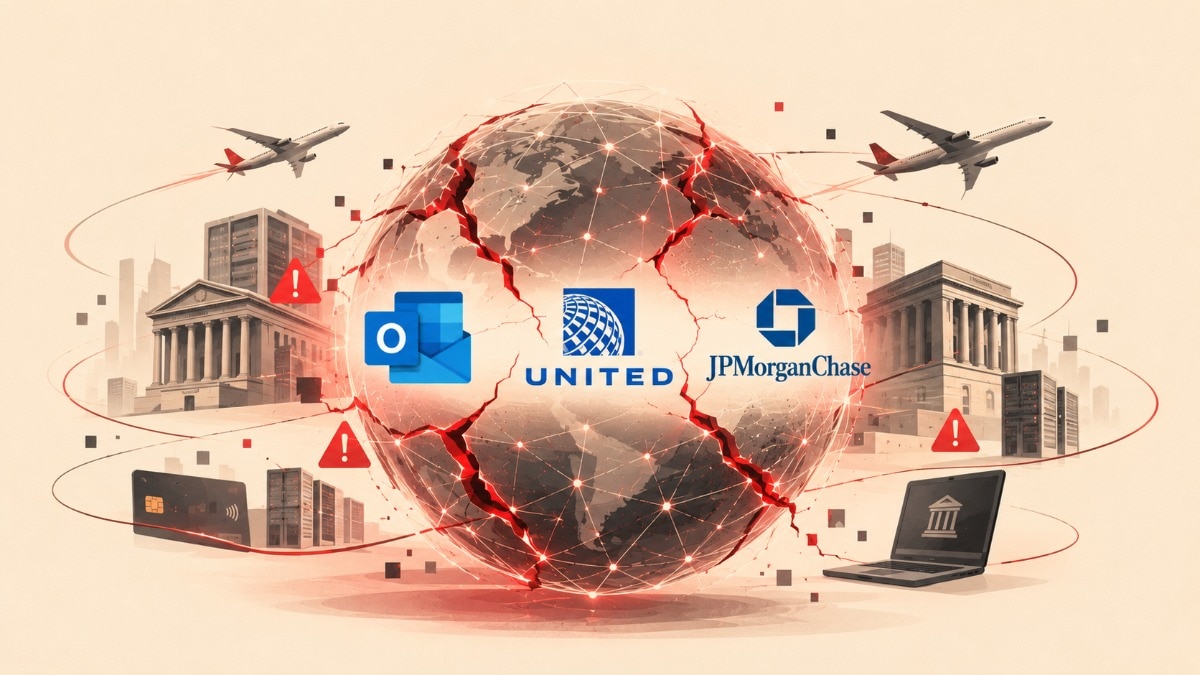
Artificial Intelligence (AI) is exposing vulnerabilities in systems at an unprecedented rate, forcing human experts to work round the clock to fix them and prevent potential cyberattacks. This rapid identification of system flaws has been termed the "AI vulnpocalypse" by experts across top tech companies and agencies like the NSA. This phenomenon is believed to be responsible for the recent wave of outages affecting major tech firms such as Microsoft, Apple, and JPMorgan Chase, as well as the US Federal Aviation Administration (FAA).
According to a report from The Washington Sun, executives have informed members of the US Congress that the AI vulnpocalypse has caused the tech outages witnessed this week. The rapid pace at which companies are trying to fix these vulnerabilities is putting pressure on their systems and potentially leading to more widespread disruptions.
The month of November has been particularly challenging, with thousands of US customers experiencing issues accessing their bank accounts following an outage at JPMorgan Chase. Furthermore, a classified communications network operated by the NSA also went down recently, although it was attributed to scheduled routine maintenance.
In addition to these disruptions, the aviation industry has not been immune to the effects of the AI vulnpocalypse. The FAA ordered a nationwide ground stop after its telecommunications network failed last week, causing over 20,000 flight cancellations. United Airlines also faced delays due to a web-based outage that affected applications used by pilots.
Cybersecurity expert Nikesh Arora from Palo Alto Networks believes that the industry knew AI could make things easier for hackers months ago. He warned enterprises about the potential for AI to be used maliciously and has urged companies to embrace AI in cyberdefense to stay protected against such threats.
While none of the outages have been directly linked to a cyberattack, organisations have made it clear that they are taking steps to avoid being exposed to AI-driven cyberattacks. It is important to note that while some outages have been attributed to routine maintenance or updates, others have been more mysterious in nature.
Although the full extent of the AI vulnpocalypse remains to be seen, it is clear that this trend has significant implications for both the tech industry and national security. As AI continues to evolve, it is essential for companies and governments to take proactive measures to protect their systems from potential vulnerabilities and cyberattacks.