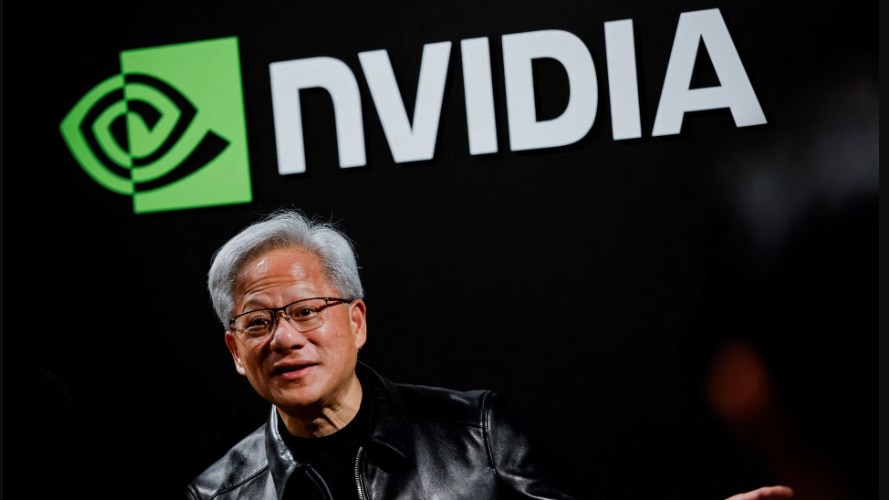
In a significant quarterly financial report on Tuesday, November 17, Nvidia, the world's most valuable chipmaker, announced a staggering 103% year-on-year revenue growth, reaching nearly $116 billion. This impressive performance underscores the burgeoning demand for Nvidia's artificial intelligence chips in the global AI infrastructure boom. However, the company finds itself in turbulent waters following the sudden resignation of its co-founder and longtime CEO, Jensen Huang, amidst allegations of personal relationships and China-linked business dealings.
The controversy surrounding Huang's departure has expanded to include accusations of diverting restricted Nvidia chips to Chinese entities and concerns over compliance with US export controls. Reports said that Huang may have misled senior company executives about his relationships, particularly one with Alice Huang, a businesswoman who was formerly an executive at Nvidia customer Megaspeed International. The US government is scrutinizing Alice Huang for suspected links to Chinese intelligence, although Beijing denies the espionage allegations.
Three US House committees have secured agreements for transcribed interviews with both Jensen Huang and Nvidia's general counsel Tim Teter on December 1 and 2, respectively. Despite these developments, Nvidia forecasts strong demand for its AI computing infrastructure, predicting revenue of $130 billion for the ongoing quarter.
Nvidia's data-center business, which has benefited significantly from the AI revolution, saw a surge in revenue of 110%, accounting for nearly 93% of Nvidia's total quarterly revenue. The company's next-generation Vera Rubin platform has also begun shipping, with its technology roadmap remaining on track.
The leadership transition at Nvidia, while challenging, may not significantly impact the company's growth story. The strong institutional foundation provided by established engineering teams, a robust software ecosystem, customer relationships, and product pipeline could ensure continuity. However, the AI industry is becoming increasingly competitive, with rivals like AMD and custom AI chips developed by major cloud companies posing threats. Moreover, Nvidia's exposure to US export restrictions and the China market remains a significant business risk.
The board has appointed Colette Kress, the longtime chief financial officer, as interim CEO while searching for a permanent successor. Despite Huang's offer to return, the board has decided to continue with finding a replacement rather than reversing its decision. The company has also established a National Security and Export Control Oversight Committee at the board level in response to the growing scrutiny surrounding its business.