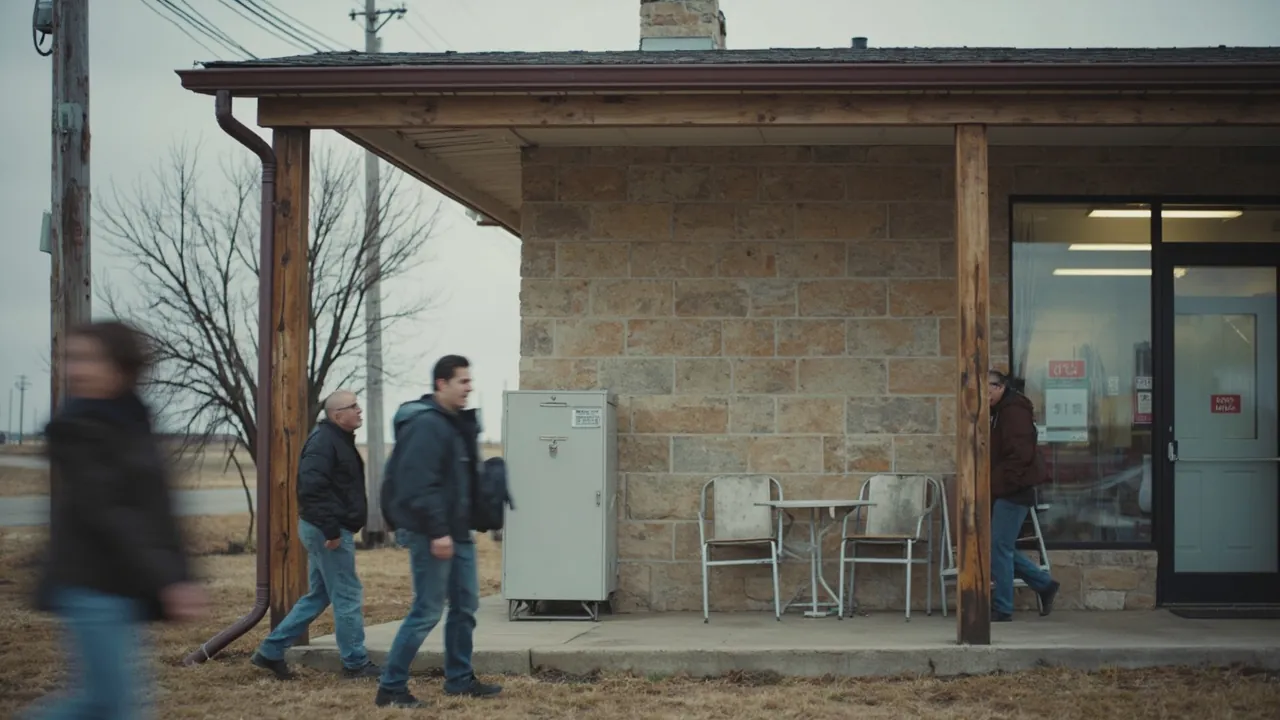
Following the tragic death of her daughter Emily from fentanyl poisoning in 2018, South Dakota journalist Angela Kennecke established Emily's Hope, a nonprofit organization dedicated to addressing substance use disorders and preventing overdose deaths. Since its inception in 2019, Emily's Hope has distributed over 15,700 naloxone kits, a life-saving medication that can rapidly reverse an opioid overdose, and invested more than $500,000 in treatment scholarships. The initiative has grown into a multi-pronged effort to address the opioid crisis and challenge the stigma surrounding addiction. Beyond overdose prevention, Emily's Hope focuses on making naloxone accessible through public distribution boxes, stocking it alongside automated external defibrillators and first-aid supplies at 340 locations across 32 counties and six of South Dakota's nine tribal areas. The nonprofit also works to address the cost of treatment by providing scholarships for individuals in need of financial assistance for rehabilitation and recovery services. In addition, Emily's Hope has expanded its efforts to educate children about substance abuse prevention and healthy decision-making through a school curriculum that reaches over 20,000 students across 44 school districts.
SUMMARY (Continued):
Emily Groth was just 21 when she died from fentanyl poisoning in May 2018. According to Kennecke's account, Emily had believed she was obtaining heroin, but an autopsy revealed that fentanyl had caused her death. The loss prompted Kennecke to establish Emily's Hope in 2019 and eventually leave her newsroom career in 2022 to concentrate on running the nonprofit. In April 2025, Emily's Hope became part of a wider state initiative involving South Dakota's Attorney General's Office and state health and social services departments, aiming to distribute 20,000 naloxone kits using funding from opioid settlements and support from pharmaceutical company Teva.
SUMMARY (Continued):
One of the stories highlighted in Emily's Hope's 2025 annual report is that of Lori Kellar, who struggled with alcohol use disorder and experienced difficulties in her personal relationships. Financial assistance from Emily's Hope helped her access 28 days of intensive treatment at the Avera Addiction Care Center. Following treatment, Kellar entered recovery, completed pharmacy technician training, and worked towards rebuilding her relationship with her husband. The organization's school curriculum introduces students to topics such as how substances affect the brain and body, medication safety, emotional regulation, peer pressure, and the importance of making healthy choices. The program uses a strategy called Pause-Think-Act to encourage children to consider the consequences of their decisions before responding to challenging situations.