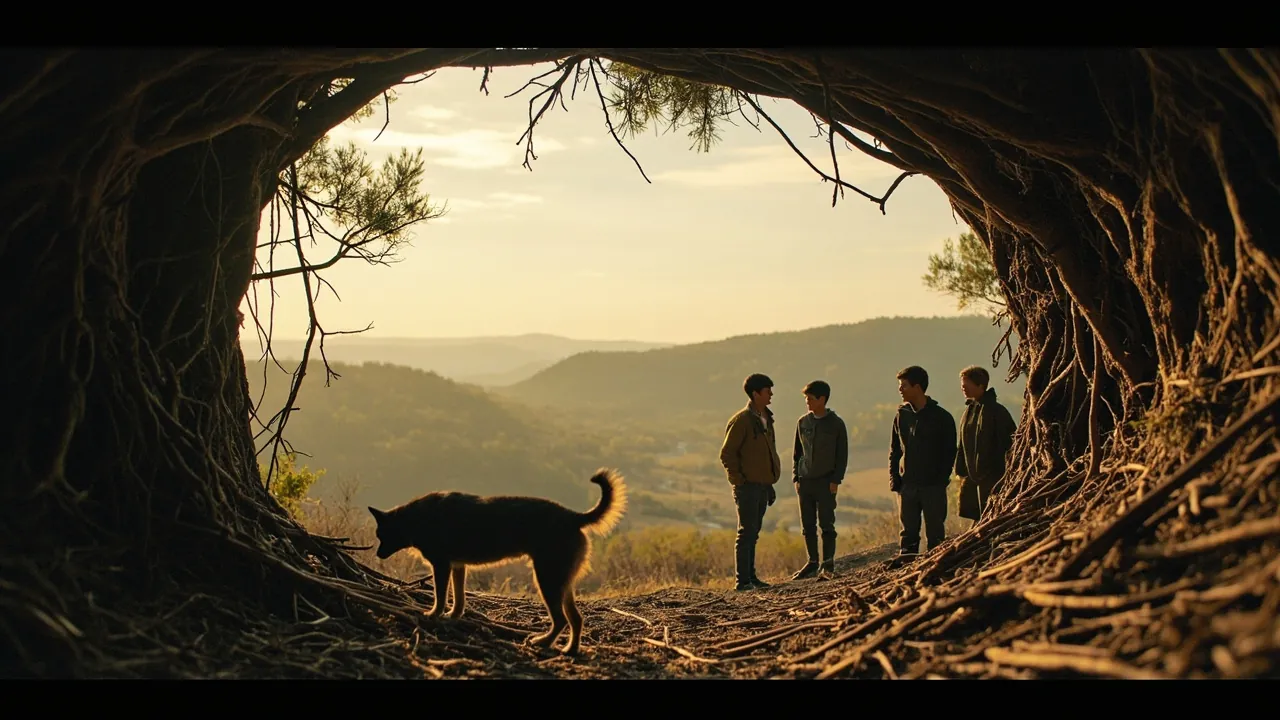
In an unexpected turn of events, the discovery of one of Europe's most significant archaeological treasures can be traced back to a dog named Robot. In September 1940, four friends embarked on a leisurely walk in southwestern France with their furry companion. As Robot sniffed around an uprooted tree, he unknowingly led his owners to a hidden cave adorned with nearly 600 prehistoric paintings dating back over 17,000 years.
Upon entering the dark recesses of the cave, the friends were astounded by what they found: a labyrinth of galleries and chambers filled with intricate images of animals such as horses, bulls, deer, and bison. These paintings showcased remarkable artistic skill, revealing that ancient humans had a deep appreciation for creativity, symbolism, and storytelling. The Lascaux Cave quickly gained fame as Europe's 'Sistine Chapel' of prehistoric art.
The teenage boys who made the discovery initially shared their findings with their teacher, Léon Laval, who recognized its extraordinary significance and alerted experts. However, it was Marcel Ravidat, one of the friends, who received most of the recognition for the discovery, while Robot's role was somewhat downplayed in official records. Despite this, the dog's contribution to the discovery cannot be underestimated.
The Lascaux Cave became a popular tourist destination after its discovery, but visitors posed a threat to the delicate paintings and the cave's environment. In 1963, the French government closed the original site to protect it. Replicas like Lascaux II and Lascaux IV were created to allow people to still experience the primordial visions without damaging the originals. Today, Lascaux is part of the UNESCO World Heritage-listed sites of the Vézère Valley, standing as a testament to human creativity from the dawn of history. Its paintings offer valuable insights into how our ancestors observed and interpreted the world around them.