For several decades, the United States has leveraged its economic sanctions as a substitute for military power projection, allowing it to exert geopolitical pressure on adversaries and isolate foreign governments and businesses. However, recent developments suggest that this strategy may be losing effectiveness, particularly in regions such as the Middle East and East Asia.
The US has been aggressively imposing secondary sanctions on individuals, businesses, and banks linked to countries it considers as adversaries, such as Iran, Sudan, Cuba, Russia, and Venezuela. This approach was made possible by the growing strength of the dollar in the global trading system, which raised the economic cost for countries cut off from the US dollar system.
However, as the risk of sanctions has become more persistent, countries have grown increasingly interested in protecting themselves against their exposure to the US dollar. According to a report by the Henrich Foundation, changes in the configuration of global supply chains have been prompted by US tariff measures since 2017, particularly after the "Liberation Day" tariffs that were introduced in spring 2025. This has driven companies and governments to invest in domestic production capacity and stronger alliance networks to secure technologies and resources.
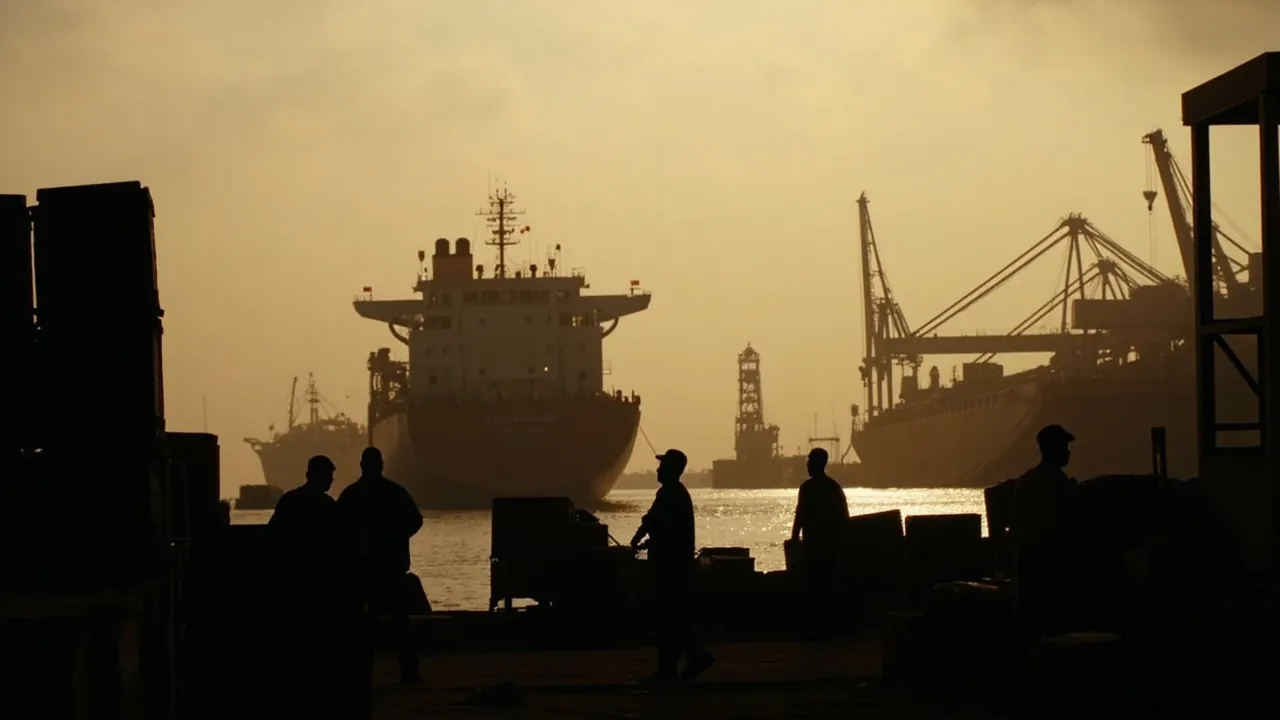
One of the most significant examples of the diminishing power of America's secondary sanctions is the strong shadow tanker fleet that continues to globally transport Russian energy supplies, despite US sanctions against Iran and Venezuela during the 2010s and coordinated G7 measures against Russia in the early 2020s. These restrictions did not eliminate the trade in oil but redirected it towards alternative markets.
The report also suggests that these developments may weaken US power more severely and more quickly than measures of its overall control over global networks might imply. The world economy has weathered the impact of trade conflict and economic warfare, indicating a shift in the balance of power away from the United States. This raises questions about the effectiveness of US sanctions as a tool for geoeconomic influence and suggests that other countries may become more resilient to such pressure in the future.